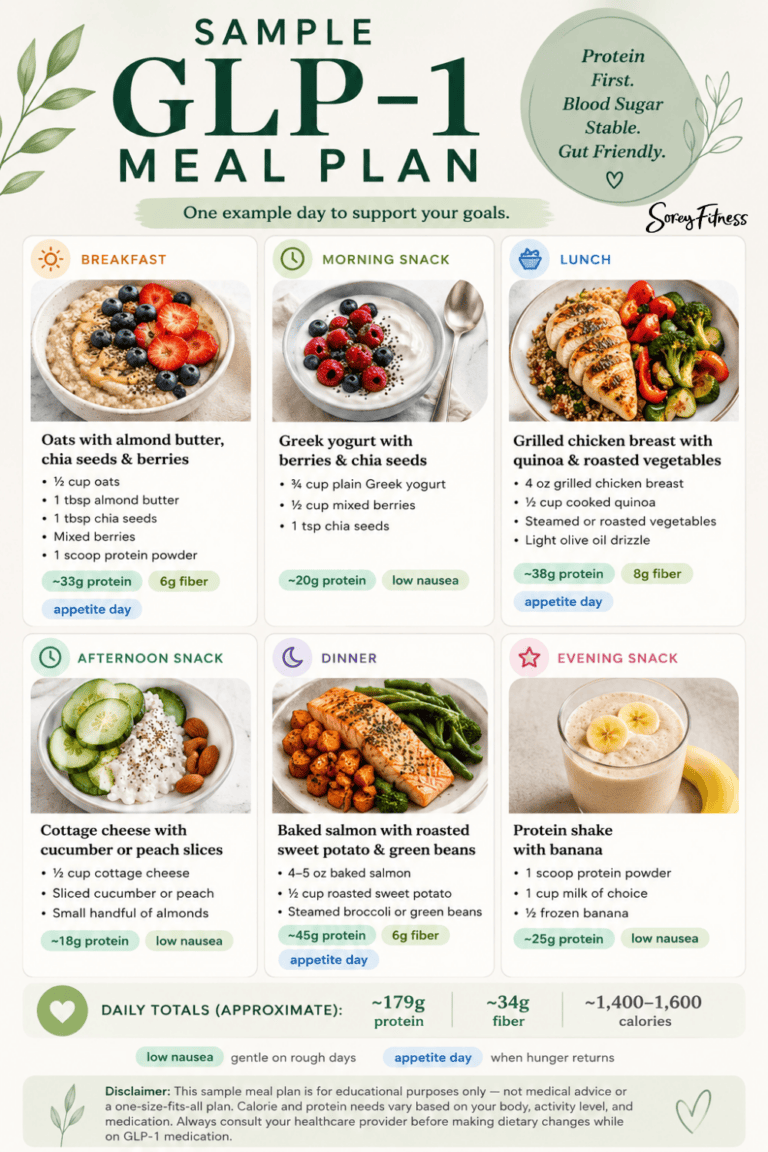
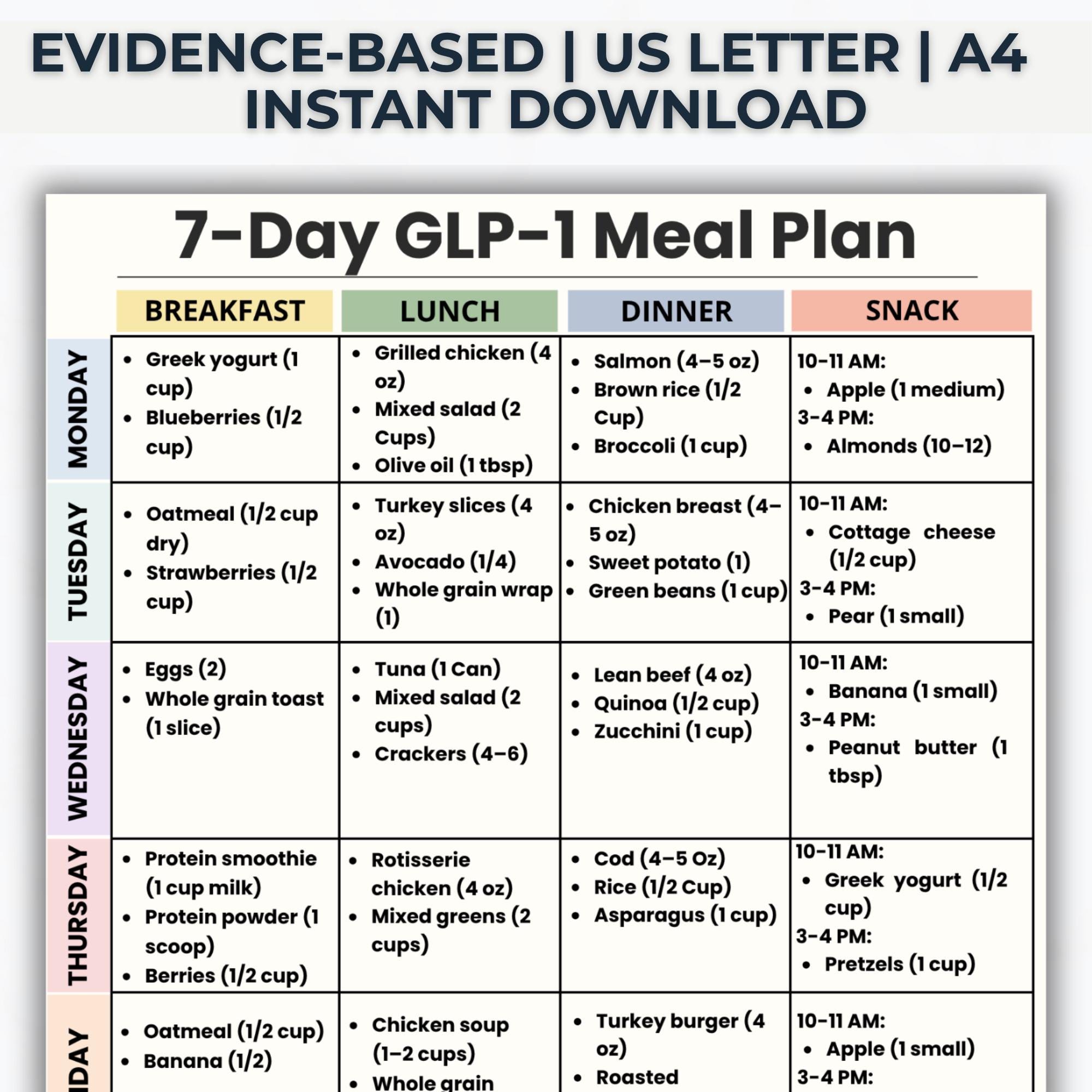
glp-1 meal plan 7 Day GLP 1 | High Protein 80 to 90g | 1300 to 1600 Calories Protein meal plan | Healthy
Description
Member Testimonials and Experiences (General Themes from Public Reviews) Based on publicly available reviews on platforms like Trustpilot, ConsumerAffairs, and health forums (not exclusive to Ro): Positive Themes Commonly Reported : Convenience and Accessibility : "No more driving to doctor appointments every month" "Everything done from my phone" "Medication delivered to my door" "Finally could access treatment my local doctor wouldn't prescribe" Provider Communication : "Providers respond quickly to messages" "Feel heard and supported" "Appreciate having real doctors, not just algorithms" "Provider explains things clearly" Weight Loss Results : "Lost more weight than ever before" "This finally works when everything else failed" "Down XX pounds in X months" "Clothes fitting better, more energy" Food Relationship Changes : "Finally not constantly thinking about food" "Cravings gone or much reduced" "Can walk past bakery without obsessing" "Feel normal around food for first time" Critical Themes Commonly Reported : Cost Concerns : "Expensive, especially without insurance" "Didn't realize medication costs separate from membership" "Hard to afford long-term" "Insurance denied, can't afford cash-pay" Customer Service Issues : "Hard to reach support sometimes" "Slow responses to urgent questions" "Service hours limited (not 24/7)" "Difficult canceling subscription" Side Effects : "Nausea was really rough first few weeks" "Constant bathroom issues" "Hair thinning concerning" "Side effects worse than expected" Insurance Navigation Challenges : "Insurance denied despite meeting criteria" "Authorization took longer than promised" "Appeal unsuccessful" "Confusing process" Review Context: Online reviews tend to skew toward extremes (very satisfied or very dissatisfied)

This work was supported by the National Institute on Aging [Grant Nos
The liver damage is not due to excessive alcohol use

Polymorphisms in the TCF7L2, CDKAL1 and SLC30A8 genes are associated with impaired proinsulin conversion
Specifically, 40% in the 0.1-mg group, 36% in the 0.2-mg group, and 59% in the 0.4-mg group achieved this endpoint, compared to just 17% receiving placebo